
Poly Aluminium Chloride (PAC)
 Download
Make every shift look the same on your jar test and on your clarifier. Poly Aluminium Chloride PAC is sourced for steady coagulation, cleaner settling, and fewer surprises when raw water or stock conditions change. If you are comparing Chemical Suppliers in India or Chemical Exporters in India, get a Quote to confirm the right PAC option, plus today’s price and availability for 25 kg bags or tanker supply.
About Poly Aluminium Chloride (PAC)
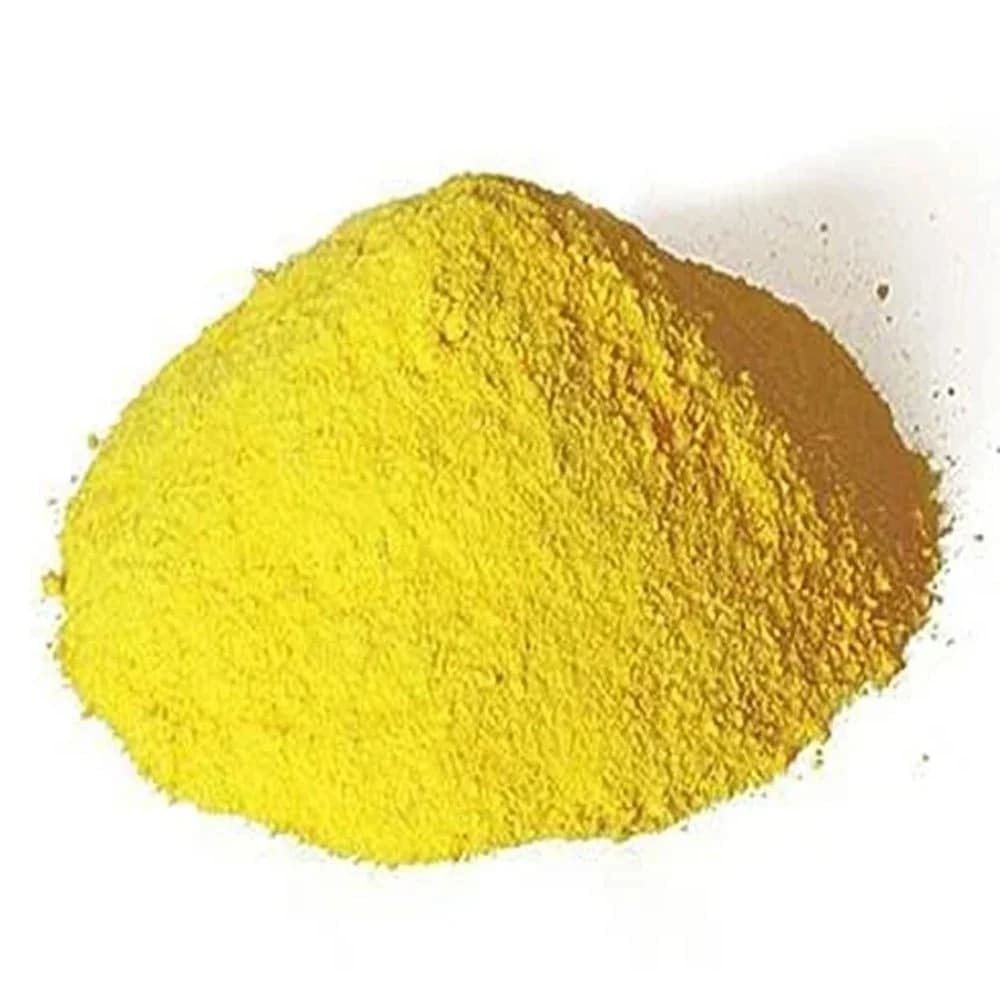
Poly Aluminium Chloride PAC is an inorganic coagulant used to destabilise suspended solids and help form stronger flocs with lower dose variability compared with simpler aluminium salts in many setups. Buyers typically evaluate the grade type, concentration basis, basicity range, and how the product behaves with their raw water or paper process chemistry. COA, MSDS, and specification points can be shared on request during quotation, subject to availability.
Hazard Symbols

Product Specifications
| TEST | SPECIFICATION |
|---|---|
| Appearance | Clear liquid |
| Assay as H3PO4 | 85.0 to 85.5% |
| Specific gravity | 1.686 to 1.692 at 25°C |
| Density at 25°C | 1.68 to 1.69 g per cm3 |
| pH | About 1 in 75 to 85% solution |
| Melting point | About 21°C |
| Boiling point | About 158°C for 85% grade |
| Viscosity | About 43.5 cP at 25°C |
| Colour APHA | 10 max |
| Chloride as Cl | 25 ppm max |
| Documentation | COA and MSDS during quotation |
Available Packaging
- ♦25 kg bag packing/tanker
Applications
Water treatment
- ♦PAC is used for clarification, where stable coagulation can reduce turbidity swings and improve settling or filtration consistency. Technical teams usually care about dose response, residual aluminium control targets, and how the grade behaves across raw water variability. Acceptance criteria can be aligned during quotation as per the buyer's specification.
Paper Mills
- ♦PAC is used in process water treatment and may be evaluated for performance impact on retention, drainage, and deposit control depending on the mill chemistry. Buyers typically focus on consistency, compatibility with existing polymers and wet end additives, and residue risk in the system. Grade selection can be discussed during quotation, subject to availability.
Safety & Handling
- ♦Follow the MSDS for the supplied batch and your site EHS procedures.
- ♦Avoid dust exposure for powder grades and avoid contact with eyes and skin for all grades.
- ♦Use appropriate gloves and eye protection, and maintain good housekeeping around dosing areas.
- ♦Store sealed in a dry, well-managed area for bags and in suitable closed tanks for bulk supply, away from incompatible chemicals as per MSDS.
Hazard Symbols
FAQ's
Frequently Asked Questions
Common Questions About Reaching Us
