
Sodium Metabisulphite (SMBS)
 Download
Sodium Metabisulfite is supplied for industrial buyers who need reliable concentration control and repeatable performance across batches. Documentation support is kept quotation-ready, and supply planning is aligned to routine consumption so procurement and production can avoid last-minute substitutions. Safer sourcing focuses on traceable lots, clear handling guidance, and practical dispatch coordination from Chemical Suppliers in India.
About Sodium Metabisulphite (SMBS)
Sodium Metabisulfite is an inorganic reducing agent that releases sulphite species in water and is often specified by available sulphur dioxide content, which directly impacts dosing and reaction efficiency. For procurement acceptance, buyers typically evaluate concentration basis, moisture, insolubles, appearance, and stability under storage. During quotation, specification limits, COA format, SDS, and packaging and logistics details can be shared to match your internal approval process.
Hazard Symbols


Product Specifications
| TEST | SPECIFICATION |
|---|---|
| Product name | Sodium Metabisulphite (SMBS) |
| Grade basis | As supplied basis, concentration expressed as available SO2 on request |
| Concentration options | 62% and 64% |
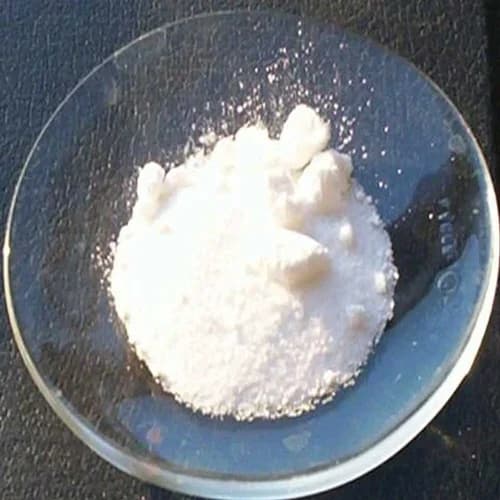
| Appearance | White to slightly yellowish crystalline powder with a mild SO2 odour |
| Molecular formula | Na2S2O5 |
| Molecular weight | 190.11 g mol |
| Solubility | Soluble in water, forms acidic solutions |
| Key performance note | Available SO2 basis is commonly used to align dosing and reducing capacity |
| Typical documentation | COA and SDS, specification limits and test methods available on request |
Available Packaging
- ♦50 kg bag packing
Applications
Food and Nutrition
- ♦Used where controlled antioxidant and preservative action is required, with performance tied to available SO2 content and application limits. Buyers typically align grade, purity, and documentation to the intended process and compliance requirements.
Water Treatment and Mining
- ♦Applied as a reducing agent for oxidant control and redox management in process water systems. It supports stable dosing where oxidation can affect downstream performance, and concentration choice helps match consumption to operating conditions.
Pharma Ingredients
- ♦Used as a process aid or reducing agent where consistency and documentation are important for procurement acceptance. Grade selection and impurity profile are evaluated to align with the intended use and internal QA expectations.
Safety & Handling
- ♦Avoid breathing dust during bag opening and charging.
- ♦Use goggles and gloves, and keep handling areas ventilated.
- ♦Store in a cool, dry place with bags tightly sealed to limit moisture pickup and decomposition.
- ♦Keep away from acids and strong oxidisers, as acidic contact can release sulphur dioxide gas, which is hazardous to inhale.
Hazard Symbols
FAQ's
Frequently Asked Questions
Common Questions About Reaching Us
