
Sodium Silicate
 Download
If you have ever had silicate behave differently without changing the recipe, you already know the risk is hidden in the grade definition. Our Sodium Silicate program is built around repeatable modulus control, consistent solids delivery, and paperwork that closes approvals quickly, with supply planning that avoids last-minute substitutions across bags and tanker movement. Supported by Chemical Exporters in India.
About Sodium Silicate
Sodium Silicate is a commercial silicate supplied as solids or liquid, where performance is defined by silica to alkali ratio and delivered solids. In procurement, the right question is not only purity. It is whether the selected modulus and solids level will give the same viscosity, pH, and stability in your actual water and mixing conditions. Buyers typically evaluate the SiO2 to Na2O ratio, solids content, viscosity or Baume for liquid, insolubles, clarity, and storage behaviour. During quotation, the grade selection sheet, COA format, and acceptance limits can be shared for internal approvals.
Hazard Symbols


Product Specifications
| TEST | SPECIFICATION |
|---|---|
| Form | Powder, glass, or liquid |
| Grade type | Alkaline and neutral |
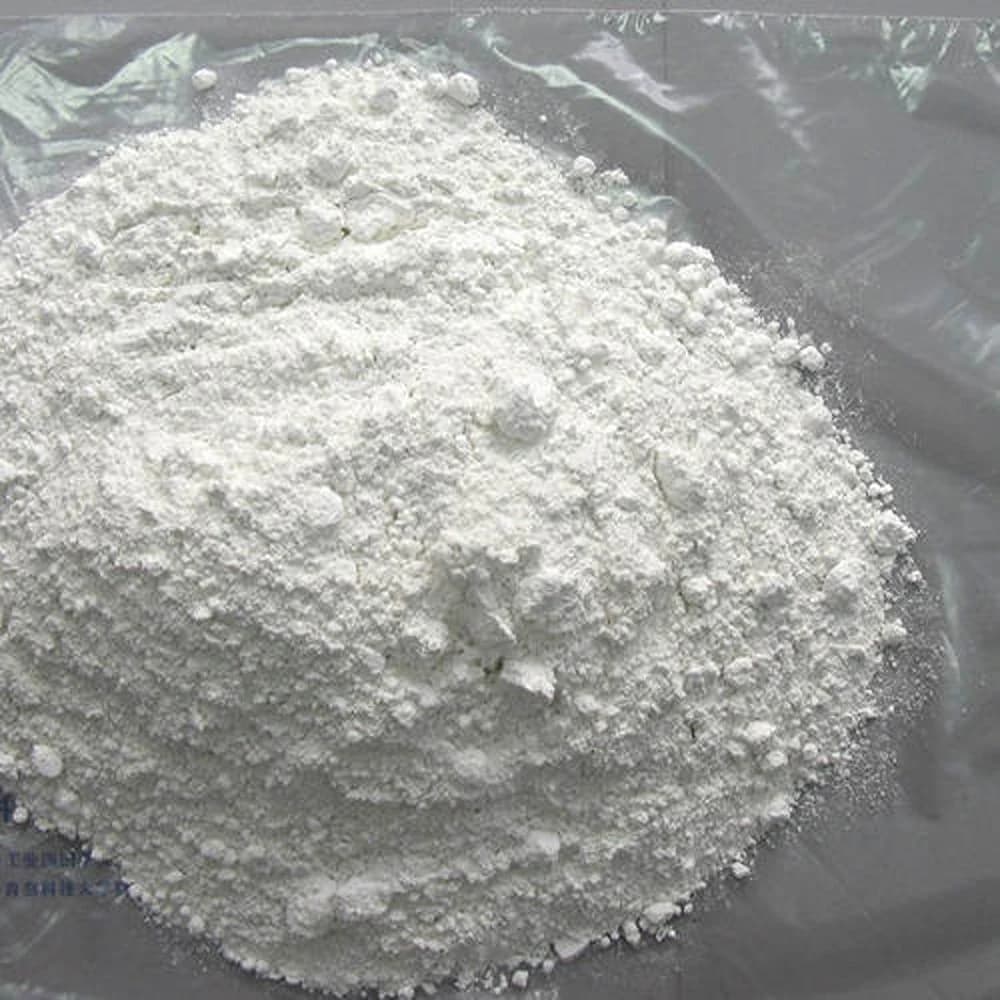
| Appearance | Liquid is clear to slightly hazy. Solids are glassy granules or free-flowing powder |
| SiO2 to Na2O ratio | Typical industry range 2.0 to 3.5, grade dependent |
| Solids content | Grade dependent, commonly supplied as medium to high solids for liquid and near full solids for powder and glass |
| Viscosity or Baume | Grade dependent, selected to suit the pumping and dosing window |
| pH at working dilution | Alkaline by design, depending on modulus and dilution target |
Available Packaging
- ♦25 kg bag packing for powder and glass
- ♦Tanker
Applications
Home Care
- ♦Used as an alkalinity builder and dispersing aid in cleaners and detergent systems. The right grade helps maintain pH, improves soil suspension, and supports stable formulation behaviour when water quality and storage conditions change.
Paint, Ink and Coatings
- ♦Used where controlled alkalinity and silicate chemistry support dispersion stability and process consistency. Grade selection is typically based on modulus, viscosity, and clarity, so the system stays consistent during make-up and dosing.
Chemical Intermediates
- ♦Used where silicate alkalinity and silica species play a defined role in processing and stability. Buyers usually focus on modulus selection and insolubles control to avoid haze, deposits, or filtration issues downstream.
Safety & Handling
- ♦Sodium silicate is strongly alkaline and can cause serious eye and skin injury.
- ♦Use goggles and gloves, and avoid breathing mist or dust during transfer and charging.
- ♦Store tightly closed and keep away from acids.
Hazard Symbols
FAQ's
Frequently Asked Questions
Common Questions About Reaching Us
