
Zinc Sulphate Monohydrate
 Download
If you buy Zinc Sulphate Monohydrate by name only, you end up correcting the dosage every time the lot changes. For plants working on a 33% zinc basis, the real requirement is steady zinc delivery per kilogram, clean dissolution, and paperwork that matches your inward QA flow. We supply Zinc Sulphate Monohydrate 33% with consistent concentration, documentation support, dependable supply planning, and safer sourcing language that fits on-site handling, backed by Chemical Suppliers in India.
About Zinc Sulphate Monohydrate
Zinc Sulphate Monohydrate is a soluble zinc salt supplied with one water molecule of crystallisation. In procurement, monohydrate matters because it defines the zinc available per kilogram and keeps dosing calculations consistent across blending, solution make-up, and continuous dosing. Buyers typically evaluate zinc percent basis, moisture pickup and caking tendency, insolubles, and how cleanly it dissolves at the site water temperature. During quotation, the COA format, test methods, and acceptance limits can be shared for smooth approval.
Hazard Symbols


Product Specifications
| TEST | SPECIFICATION |
|---|---|
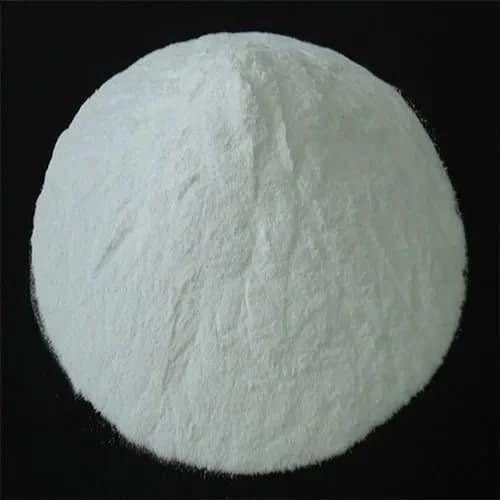
| Appearance | White crystalline powder |
| Odor | Odorless |
| Zinc content | 33% |
| Solubility in water | Soluble |
| pH | Acidic in solution |
| Moisture and caking | Controlled by packing and storage |
| Insoluble matter | As per COA |
Available Packaging
- ♦50 kg bag packing
Applications
Feed and Fertiliser
- ♦Used as a zinc nutrient source where uniform zinc distribution in blends and consistent dissolution in spray solutions matter. Plants usually care about zinc percent basis and flow behaviour because that decides whether micronutrient delivery stays consistent across batches.
Water Treatment and Mining
- ♦Used where a soluble zinc input is required for process dosing and conditioning. Teams typically focus on clean dissolution and low insolubles, so day tanks, dosing lines, and injection points stay stable and do not load up with sediment.
Safety & Handling
- ♦Avoid breathing dust during charging and use goggles and gloves.
- ♦Store sealed and dry to reduce caking and handling spikes.
- ♦Prevent spills from entering drains and follow the supplied SDS for site controls.
Hazard Symbols
FAQ's
Frequently Asked Questions
Common Questions About Reaching Us
